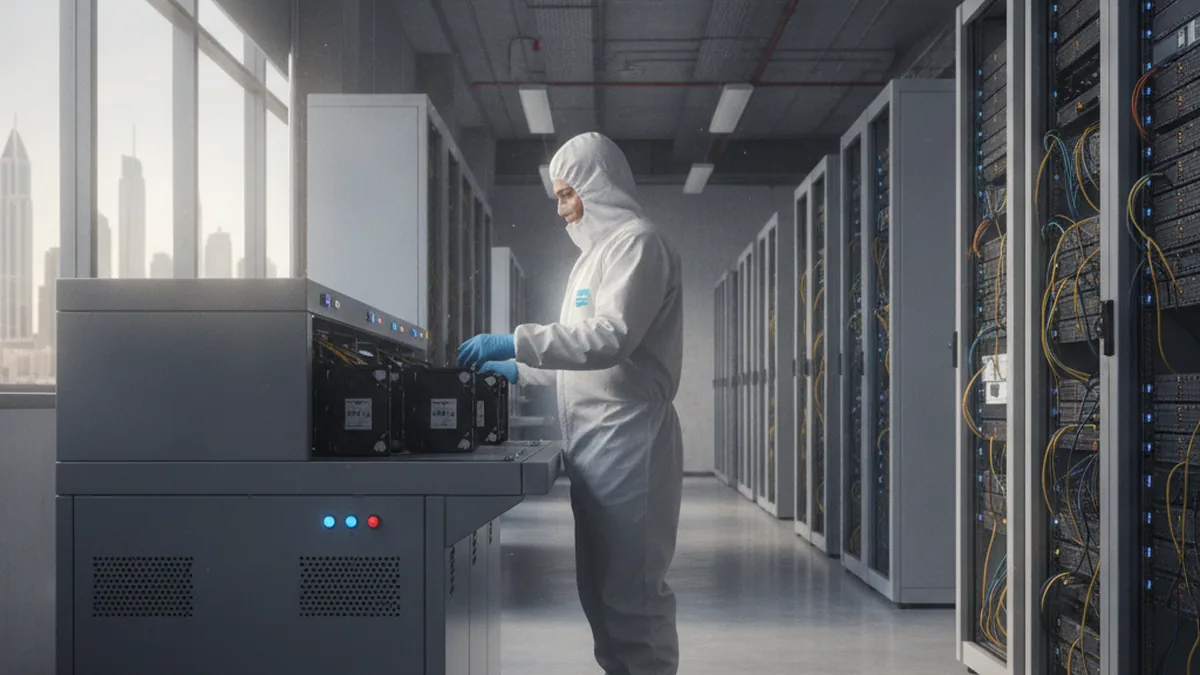
When servers, storage arrays and laptops reach the end of their life, the hardware is the easy part. The hard part is the data still on them: customer records, financial data, emails, configurations and credentials. A single drive sold without proper wiping can become a data breach, a regulatory problem and a reputational disaster. IT asset disposition (ITAD) is the discipline of retiring IT equipment securely, with documented data destruction, responsible recycling and value recovery. This guide explains how to run a safe ITAD process in the UAE, which wiping methods are appropriate, and what documentation you should demand from providers.
Why ITAD matters in the UAE
- Data protection law: the UAE Personal Data Protection Law and free zone regimes (DIFC, ADGM) require appropriate security for personal data, including at disposal.
- Sector rules: banks, healthcare and government entities face additional requirements for data handling and destruction.
- E-waste: federal and emirate-level environmental rules restrict improper disposal of electronic waste.
- Value recovery: a structured process recovers more value from equipment that can be resold.
The ITAD process step by step
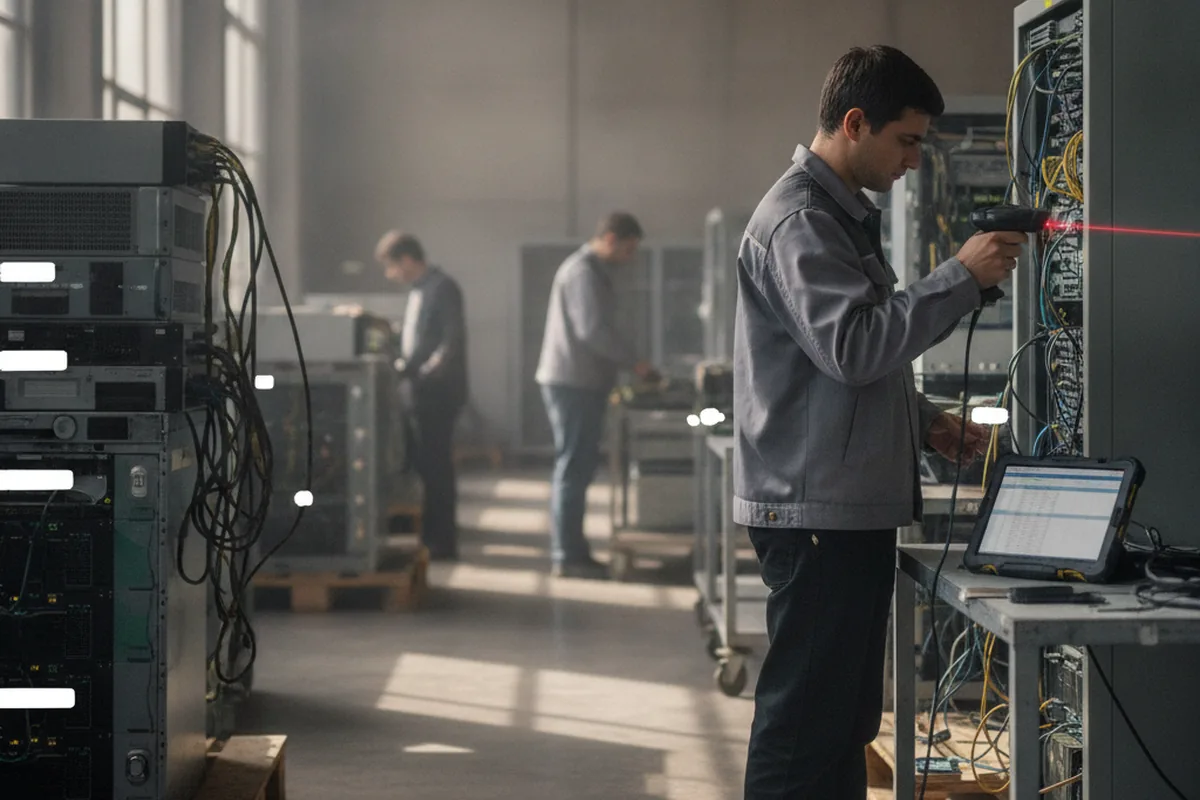
- Inventory: list every asset with serial number, type and data-bearing components (drives, SSDs, controller cache, network configs).
- Classify data sensitivity: decide which assets need on-site destruction and which can be wiped and resold.
- Secure custody: lock assets in a controlled area; track chain of custody from rack to destruction.
- Sanitise or destroy: wipe, cryptographically erase or physically destroy media according to policy.
- Verify: sample-check wiped drives and record results.
- Certify: receive certificates listing serial numbers and methods used.
- Resell or recycle: remarket usable equipment and recycle the rest through licensed recyclers.
Choosing the right sanitisation method
| Method | Suitable for | Notes |
|---|---|---|
| Overwrite (Clear) | HDDs being reused or resold | Software overwrite following NIST SP 800-88 guidance; verify after |
| Secure erase / cryptographic erase (Purge) | SSDs and self-encrypting drives | Uses the drive's built-in sanitise commands; overwriting alone is unreliable on SSDs |
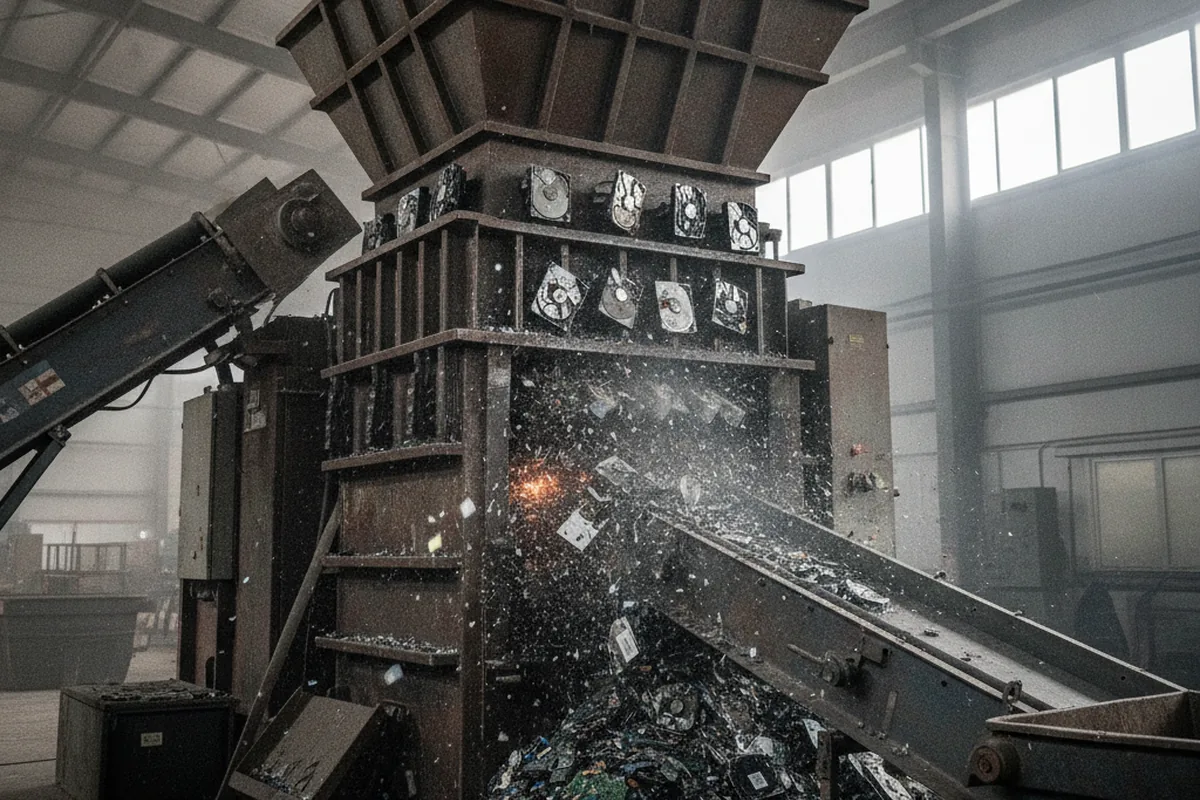
| Degaussing | Magnetic HDDs and tapes being destroyed | Renders the drive unusable; not effective on SSDs |
| Physical destruction (Destroy) | Highly sensitive data, failed drives | Shredding or crushing; can be done on site with witnessed destruction |
Do not forget other data-bearing parts: RAID controller cache, server management settings, switch and firewall configurations, printers and multifunction devices.
What to demand from an ITAD provider
- Documented chain of custody from pickup to final disposition.
- Serial-number-level certificates of data destruction.
- Option for on-site wiping or shredding for sensitive drives.
- Recognised sanitisation standards (for example NIST SP 800-88) and verification.
- Licensed e-waste recycling partners in the UAE.
- Insurance and clear liability terms.
- Transparent value recovery reporting for resold equipment.
Combining ITAD with resale
Securely wiped servers, storage and network equipment can still have meaningful resale value. Many companies remove and destroy drives in-house, then sell the remaining hardware. Our guide on selling used IT equipment in Dubai explains pricing, and end-of-life IT parts covers how retired parts move through the market.
A simple internal policy
- No data-bearing device leaves the company without sanitisation or destruction.
- Responsibility for ITAD is assigned to a named owner in IT or security.
- Certificates are stored with the asset register for audit.
- Methods are chosen by data classification, not convenience.
Find ITAD and resale partners in Dubai
ITCT connects companies with verified Dubai IT traders and service providers for secure decommissioning, data wiping and resale of retired equipment.
Frequently asked questions
What is ITAD?
IT asset disposition: the secure, documented process of retiring IT equipment, including data sanitisation or destruction, resale of usable equipment and responsible recycling.
Is formatting a drive enough before selling it?
No. Formatting does not remove data. Use proper overwriting for HDDs, secure or cryptographic erase for SSDs, or physical destruction.
How should SSDs be wiped?
Using the drive's built-in secure erase or cryptographic erase commands, or physical destruction. Simple overwriting is not reliable on SSDs.
What documents should we keep?
Asset inventory, chain-of-custody records and certificates of data destruction listing serial numbers and methods.
Can wiped equipment still be resold?
Yes. Properly sanitised servers, storage and network equipment can be resold, recovering part of their value.